
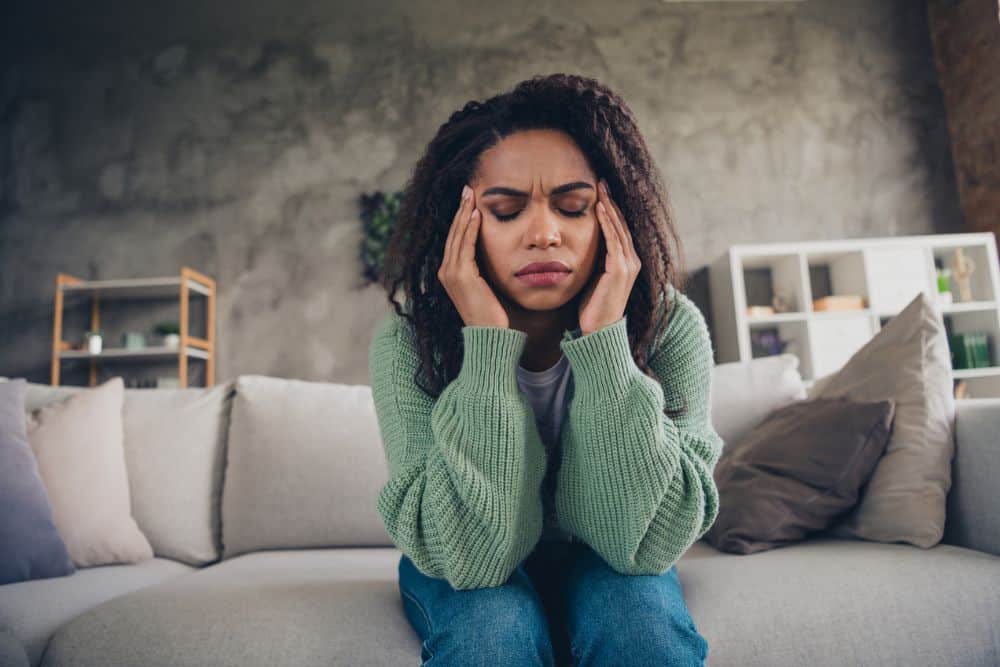
If you’re suffering from a condition like depression, anxiety, or post-traumatic stress disorder (PTSD), it could be fueling your addiction. It’s quite common for mental health disorders to contribute to substance use disorders (SUD). It’s not unique, but it does mean the care you receive needs to be different.
Treatment for mental health disorders must happen alongside SUD treatment. If you try to treat just the addiction, you may be setting yourself up for more complications and less effective outcomes. That’s where co-occurring disorder treatment from The Ranch at Dove Tree can help. We offer a comprehensive program that treats both conditions at once, called dual diagnosis treatment.
How Common Are Co-Occurring Mental Health Disorders?
About 21.2 million adults suffer from co-occurring disorders, according to data from the Substance Abuse and Mental Health Services Administration. Those who have a mental illness are more likely to develop an SUD. The most common mental health disorders linked to SUDs include:
- Anxiety and mood disorders
- Bipolar disorder
- Major depressive disorder
- Conduct disorders
- Post-traumatic stress disorder
- Attention deficit hyperactivity disorder
Those who are being treated for mental health disorders are more likely to misuse any of the following substances:
- Alcohol
- Tobacco
- Opioids
- Stimulants
- Hallucinogens
- Marijuana
- Prescription drugs
Recognizing that you have co-occurring disorders isn’t simple, and in fact it can be very challenging. It’s very common for these conditions to hide each other with overlapping symptoms. By knowing what to look for, you’ll be well on your way to getting the care you need. To effectively manage co-occurring disorders, we have to know both are present and how to seek treatment.
Most Common Signs of Co-Occurring Mental Health Disorders
Think about your mental health and SUD as two separate conditions that share similar symptoms. It’s not always possible to see where one stops and the other starts. Even trained professionals may miss these signs, especially if a person is facing severe addiction. Often, it becomes more evident after working through drug and alcohol detox as a first step.
If you’re experiencing any of the following, we strongly recommend seeking professional care.
Stress Makes You Want to Use Substances
Stress is often an indication of anxiety, depression, or PTSD. Not always, but in some cases, intense stress can make it impossible for you to see your way through the day. You may feel like you have to use substances to gain control or think clearly. Without them, you don’t have enough focus. If you start thinking about substances when your anxiety grows or when your stress builds, it’s time to take action.
Engaging in Risky Behavior
You feel compelled to engage in whatever it takes to get the substance you need. You’re more impulsive. You know that actions or activities are hazardous, but you still feel you need to do so. This could include illegal activities to gain access to the substance. It may mean driving a vehicle after a few drinks.
Rapid Shifts in Moods
Many people feel out of control. Sudden and extreme mood changes happen. You feel happy and even full of energy one day, and the next you’re facing deep lows and tearfulness. Those ups and downs, even with the use of SUDs, are hard to manage and often difficult to understand. Your family may be unsure what’s happening.
Loss of Control
Over the last few weeks or months, you’ve noticed that you’re less in control of your ability to use a substance or not to do so. You feel like you want to cut back or even stop using it, but you can’t seem to do so. It’s common for this to develop as dependency grows, and most people find themselves unable to move forward with daily life until they have the substance in hand.
You Need to Use More
Tolerance is another indication of SUD. It occurs as your body and brain become used to the type and amount of substance you are using. It no longer achieves a high or relieves your negative thought patterns. You need to keep seeking more of the substance to feel any better.
Intense Cravings
You experience intense and worsening cravings for the substance, often made worse in situations where you are depressed or anxious. If you’re engaging in extreme mood swings, especially when the substance is not readily available, those are signs of cravings. Withdrawal from substances can also be a sign.
What to Do Now if You Have Co-Occurring Disorders
Your first step is to give our team a call. We offer a comprehensive drug and alcohol rehab center in Texas designed to provide you with the hands-on support you need. Take a moment to learn more about how we can help you. Find out what a drug treatment center near you can do to actually help you through the process.
Contact us now to learn more.